
Every gemstone has something special to offer. Some sparkle with bright, light-catching facets, while others have a gentle glow, beautiful natural patterns, or colors that make you look twice. From familiar favorites like amethyst and pearls to gemstones you may be discovering for the first time, there’s always something interesting to explore.
Browse the A–Z guides below to learn what makes each stone unique, including its colors, origins, and natural characteristics. You’ll also find easy jewelry-care advice and ideas for how different gemstones look in earrings and necklaces. Whether revisiting a favorite or discovering something new, enjoy exploring what makes each gemstone unique.

Abalone Shell
Beautifully iridescent, abalone shell displays shifting shades of blue, green, pink, and purple that catch the light.

African Turquoise
African turquoise is a variety of jasper featuring earthy blue-green tones and distinctive natural patterns.

Amber
Formed from fossilized tree resin, amber has warm golden hues ranging from soft honey to rich cognac.

Amethyst
From delicate lavender to deep, rich violet, amethyst comes in a beautiful range of purple shades.

Apatite
Apatite’s vibrant shades of blue and blue-green are often reminiscent of clear tropical waters.

Aquamarine
Aquamarine’s refreshing blue color ranges from pale, icy shades to vibrant ocean blues, often with beautiful clarity and sparkle.

Blue Chalcedony
Blue chalcedony has a soft, translucent appearance, with delicate shades ranging from pale blue to dreamy aqua.

Blue Topaz
Beautiful clarity and sparkle make blue topaz especially eye-catching, with shades ranging from light sky blue to deep London blue.

Citrine
Citrine brings warmth and brightness with its sunny shades of yellow, golden honey, and rich amber.
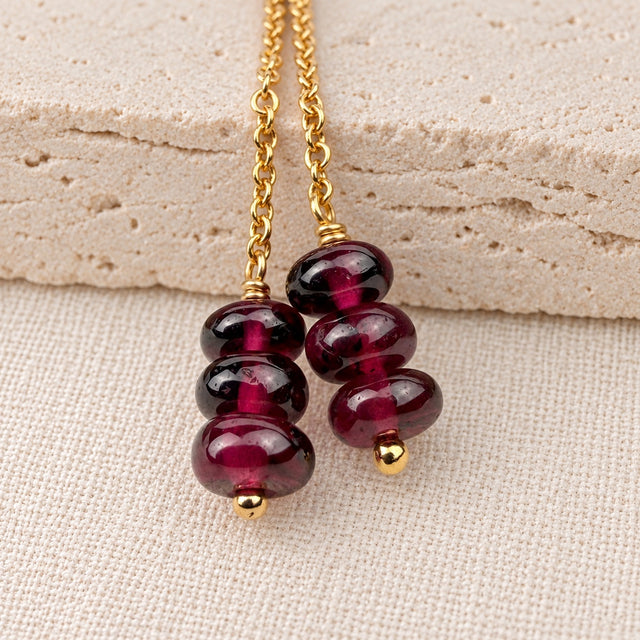
Garnet
Garnet is easy to recognize until you meet a green one.

Herkimer Diamond
Herkimer diamonds are naturally formed quartz crystals with beautiful clarity, sparkle, and distinctive pointed ends.

Iolite
Iolite features rich shades of violet and blue, with softer, dusky tones that emerge as the stone turns.
Kunzite
Delicate shades of pink and lilac give kunzite its romantic appearance, with subtle changes in color as it catches the light.

Kyanite
Kyanite can be a rich blue, a quieter green, or a textured teal with visible inclusions.

Labradorite
Labradorite can look understated one moment and flash blue, green, or gold the next.

Lapis Lazuli
The rich, deep blue of lapis lazuli is sometimes accented by tiny golden flecks of natural pyrite.

Lavender Amethyst
A softer variation of purple amethyst, lavender amethyst features delicate lilac tones and a light, elegant appearance.

Moonstone
Moonstone has a soft, milky glow, with delicate flashes of blue that shift as the stone catches the light.

Pearl
Pearls are treasured for their soft, natural luster and beautiful variety of colors, shapes, and subtle overtones.
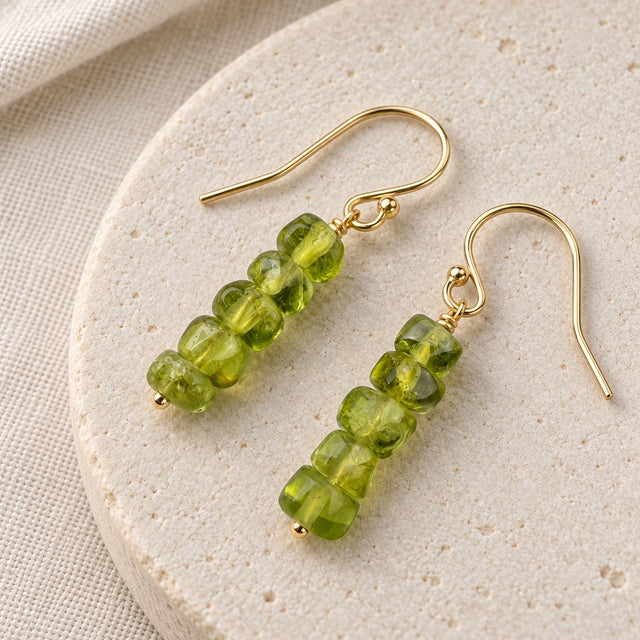
Peridot
Peridot has an unmistakably fresh palette, from yellow-green to a deeper olive.
Pink Coral
Warm and delicate, pink coral ranges from soft blush pink to richer peach and coral tones.

Rose Quartz
Rose quartz has a gentle pink color that ranges from a pale blush to a warmer, rosy shade.

Ruby
Rich and vibrant, ruby displays beautiful shades of red, ranging from bright raspberry to deep crimson.

Smoky Quartz
Smoky quartz features beautiful, earthy shades ranging from light, translucent brown to rich, deep chocolate tones.

Sunstone
Warm peach and coppery tones give sunstone its inviting color, often accompanied by a subtle shimmer that comes alive in the light.

Turquoise
Turquoise stands out with its distinctive blue and blue-green shades, often featuring natural patterns and darker veining.
White Topaz
Clear and colorless, white topaz offers bright sparkle and beautiful light-reflecting qualities.